

Spartan Nurse Nation: Andrea Lachniet

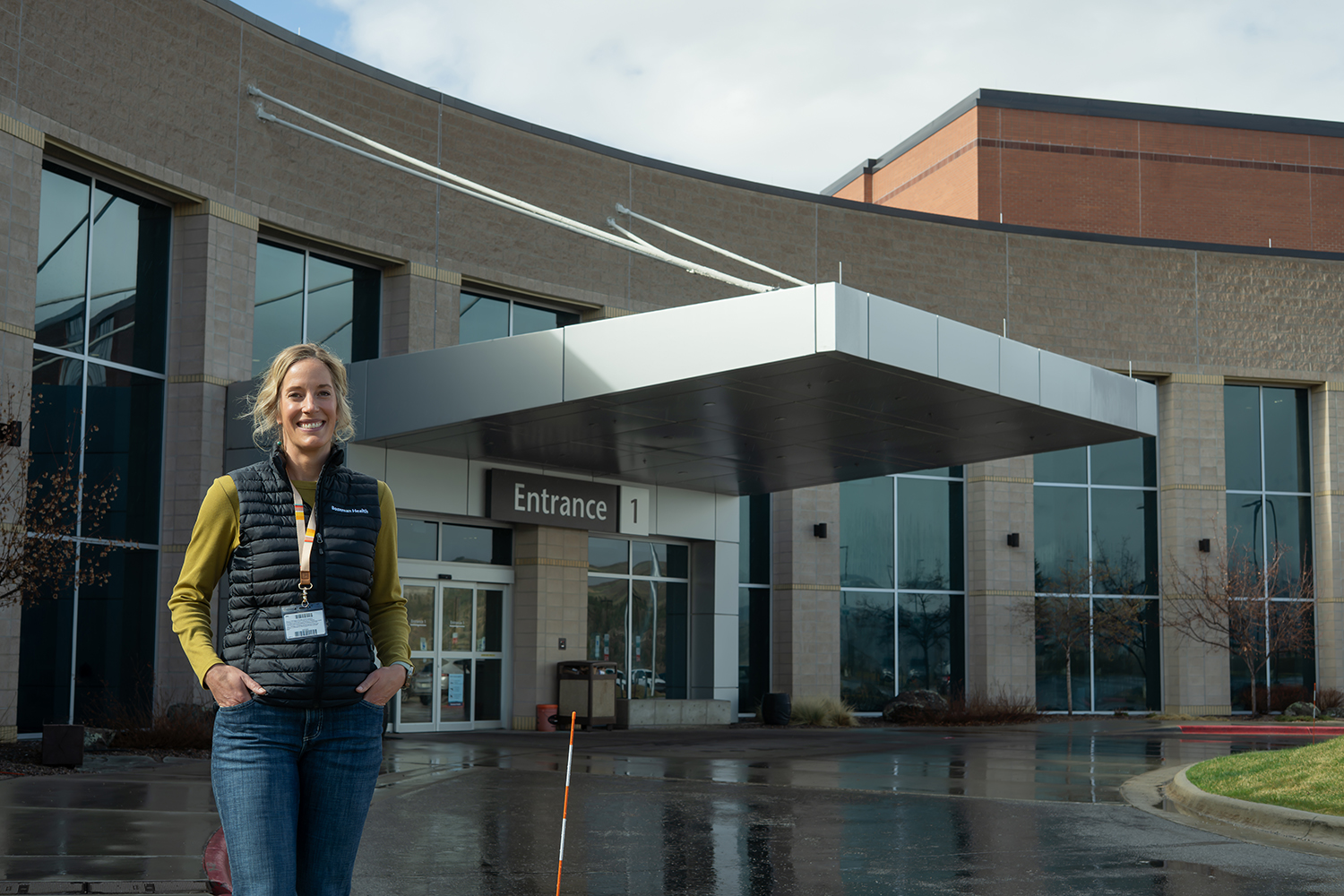
Andrea Lachniet always imagined a life that stretched beyond the familiar horizon. Growing up in Michigan, she was surrounded by medicine — her father a physician, an aunt a physical therapist and family friends working as nurses — and by a curiosity about how the human body worked. But just as strong as her pull toward health care was another instinct: a quiet, persistent desire to head west, toward open skies and mountains.
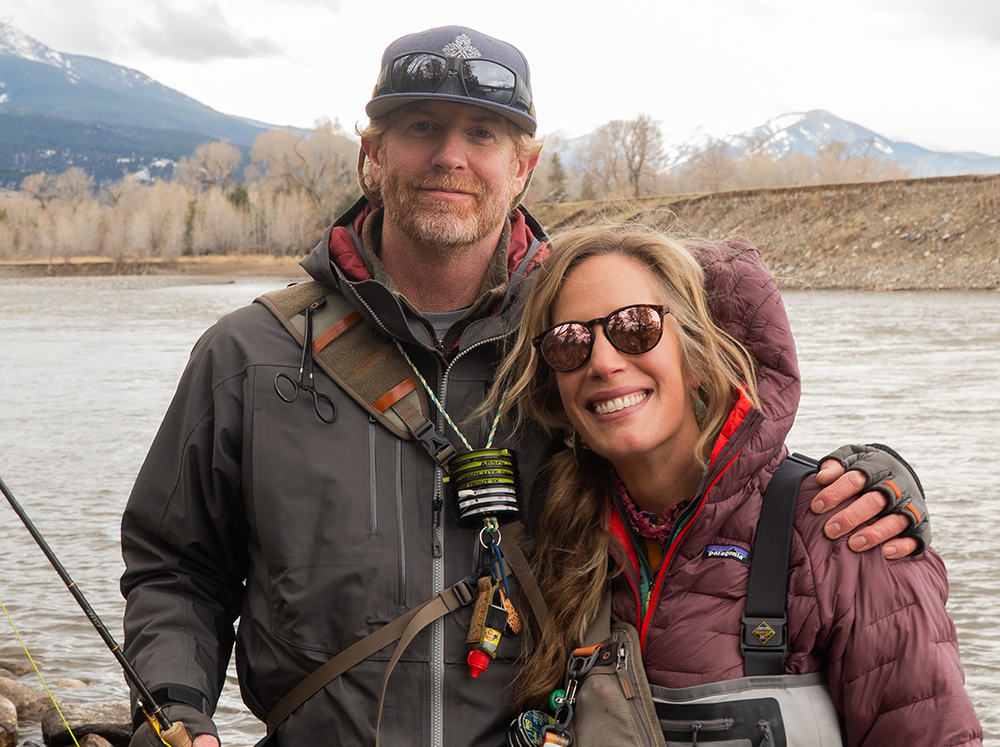
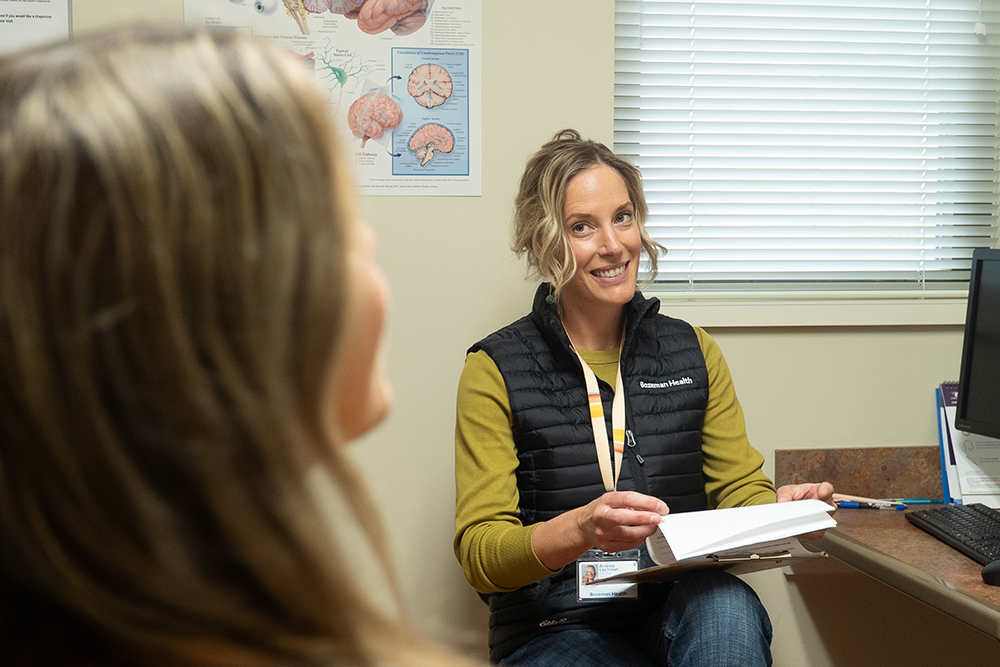
Today, Lachniet has built a life that brings those two callings together. She is a nurse practitioner in an outpatient neurology clinic at Bozeman Health in Bozeman, Montana, where her days are spent treating patients with migraines, epilepsy, multiple sclerosis and Parkinson’s disease. Outside the clinic, she fishes, hikes and skis, immersed in the landscape she’s long admired.
Her path began, as many do, with a general interest in science. As a student and athlete who played basketball and soccer, Lachniet found herself fascinated by injuries and recovery — how the body heals and adapts. That interest, paired with her exposure to health care professionals, led her to nursing.
“I always knew I wanted to help people,” she said. “And nursing felt like a flexible way to get into health care and figure out where I fit.”
She started her undergraduate education in Grand Rapids, quickly realizing she wanted to become a registered nurse. The coursework was rigorous but engaging. After graduating, she worked in an inpatient orthopedic medical-surgical unit at what was then Blodgett Hospital in Grand Rapids.
Lachniet loved bedside nursing. The pace, the patient interaction and the immediacy of care suited her. But over time, she began to feel ready for more responsibility and a broader scope of practice.
That next step led her to Michigan State University’s College of Nursing and its Nurse Practitioner Program.
“I had heard great things about the program,” she said. “It stood out right away when I was researching options.”
What drew her in was not just the program’s reputation, but its structure. The hybrid format — combining online coursework with in-person learning — allowed her to continue working part time while pursuing her master’s degree. That balance was critical, and it mirrored something she would later prioritize in her career: sustainability.
At MSU, Lachniet found a program that was both demanding and deeply supportive. Faculty members knew their students personally and pushed them to succeed without losing sight of the realities of their lives outside the classroom.
“It was challenging, but in a good way,” she said. “They expected a lot from us, but you always felt supported.”
Clinical rotations across the Lansing and Grand Rapids areas gave her exposure to a wide range of patient populations and health care settings. Combined with her experience as a registered nurse, those rotations helped prepare her for the transition to becoming a provider — a shift she described as both exciting and daunting.
“There’s a lot more responsibility,” she said. “Having that RN background helped me feel more confident stepping into that role.”
While her education grounded her in clinical practice, her long-standing dream of moving west never faded. As a child, Lachniet had traveled to Montana and was struck by its natural beauty. The mountains, rivers and sense of space left a lasting impression.
“I always loved it out here,” she said. “It just felt different.”
Years later, an opportunity aligned with that vision. While working in family practice for Spectrum Health, Lachniet became involved with a telemedicine initiative that made it possible to live remotely. The timing, she said, felt serendipitous.
“When the opportunity came up, everything just kind of fell into place,” she said.
In 2017, she made the move to Montana.
She joined Bozeman Health in 2018, initially working in inpatient palliative care and hospice. The role deepened her understanding of patient-centered care and the importance of quality of life, particularly in serious illness.
By early 2020, she was ready for another transition — this time, from inpatient care to a clinic setting. A recruiter suggested she consider neurology, a field she had not previously explored.
“I wasn’t sure at first,” she said. “But I decided to interview and see what it was like.”
She accepted the position and quickly found her place.
“I love it,” she said. “There’s such a variety in what we see.”
In her current role, Lachniet treats a broad spectrum of neurological conditions, though migraines make up a significant portion of her patient population. Helping patients find relief, often after years of discomfort, is one of the most rewarding aspects of her work.
“You can really see the difference you’re making in someone’s day-to-day life,” she said.
She has also observed trends in her field, including an increase in Parkinson’s diagnoses as the population ages and a growing willingness among patients to seek care for chronic conditions like migraines.
Despite the demands of her work, Lachniet has been intentional about maintaining balance — something she credits both to her employer and to the environment around her.
Bozeman offers what she describes as an ideal lifestyle. On her days off, she can head into the mountains, spend time on the river or simply enjoy the slower pace of a smaller community. The culture, she said, values both hard work and time outside.
“People here really prioritize that balance,” she said. “You can have a fulfilling career and still have time to do the things you love.”
For Lachniet, those things are deeply tied to the outdoors. Whether it’s hiking through alpine terrain, casting a line in a quiet stream or skiing in the winter, nature is not just a backdrop — it’s a central part of her life.
That connection traces back to her earliest visits to the West and has shaped many of her decisions since.
“It’s peaceful here,” she said. “You always have access to open space and incredible views. That’s really important to me.”
Looking back, Lachniet sees a clear throughline from her education to her current career. Her time at Michigan State, in particular, provided a foundation that continues to support her growth.
She remains grateful for the experience — for the faculty who guided her, the clinical opportunities that challenged her and the flexibility that allowed her to pursue her goals without putting the rest of her life on hold.
“It was a great springboard,” she said. “It gave me the confidence to start my career and to keep building on it.”
Published May 5, 2026.