

News
College, Ingham Co. partner on community health initiatives
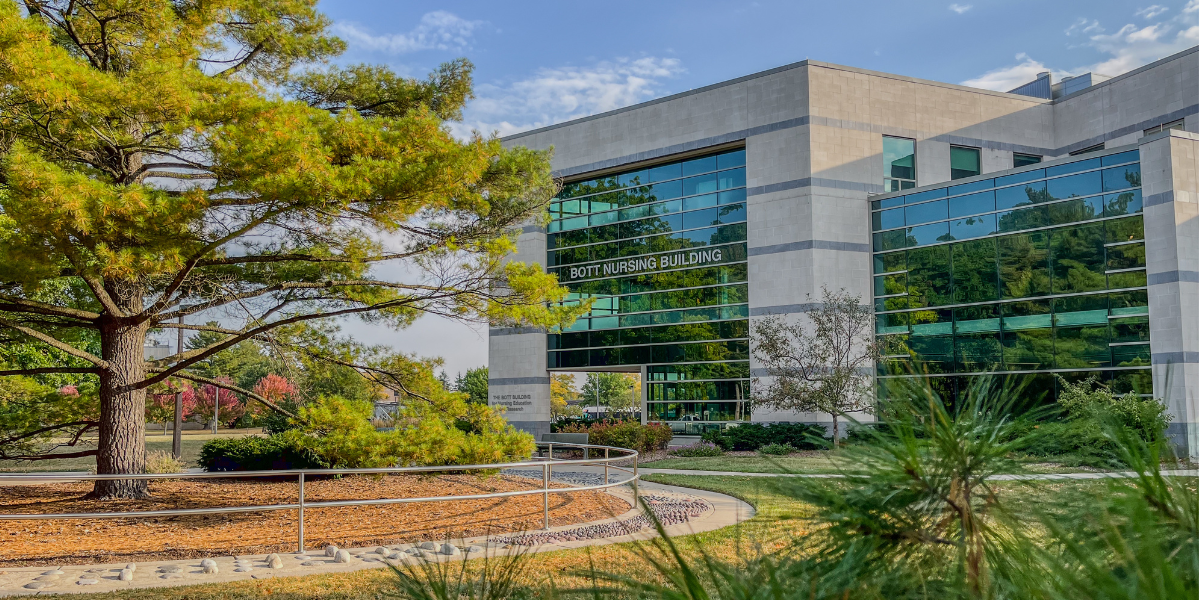
Improving health across our community, from the Michigan State University campus to the greater Lansing area, requires meaningful collaboration and a deep understanding of the evolving needs and strengths of our shared landscape. This is the core mission of Healthy! Capital Counties (H!CC), a regional partnership between local health departments and hospital systems that has strong ties with local community organizations.
The regional Community Health Assessment (CHA) and Community Health Improvement Plan (CHIP) address this through a joint assessment conducted every three years across Clinton, Eaton, and Ingham Counties. This process involves a year of collecting qualitative and quantitative data — incorporating surveys, focus groups, and public health indicators — to identify the region's most pressing health needs. By analyzing these findings, the partnership establishes health priorities and creates a strategic action plan to address them through the CHIP.
For the 2024-2027 cycle, these priorities have been identified as access to care, behavioral health, and housing.
Michigan State University is a vital partner throughout the entire CHA and CHIP cycle. Various partners across the university, including the College of Nursing, MSU Extension, MSU Center for Community and Economic Development, Health and Wellbeing, and Family Medicine who assist H!CC in promoting the CHA survey to students to ensure their unique perspectives on the community are heard. These partners also contribute to the strategic direction of the CHA by participating in regular stakeholder meetings, using both their professional expertise and their direct observations from the MSU community to help set the Tri-County health priorities.
MSU stays involved throughout the CHIP implementation phase, which focuses on developing and executing activities to improve outcomes in each priority area. An example of this involves working with and connecting Doctor of Nursing Practice (DNP) students to other community organizations. Aligning these student projects with the priority areas found in the CHA provides the essential research and capacity needed to help community partners advance their initiatives.
Beyond these projects, the university offers various platforms for H!CC to share this work, ranging from the College of Nursing’s Faculty Practice Day for Nursing and MSU Health and Wellbeing webinars to targeted meetings for students, staff, and the broader community.
Presenting CHA and CHIP findings across the university promotes a deeper awareness of regional health and ensures that the next generation of health professionals is ready to understand and address the community’s needs.
This story was submitted by Assistant Professor Nicky VanElls (MSU College of Nursing) and Health Analyst Kara Trimbach Shirley (Ingham County Health Department)
Posted April 6, 2026