

Research to Results
Our researchers are translating research into results thanks to generous grants from the National Institutes of Health. From encouraging physical activity to healthy eating habits, nurses are leading the way in improving the health of our communities. Learn more about some of our stories below, and check back for additional updates.
When caregivers need a little care
Cancer caregivers often shoulder an invisible burden, providing unpaid, around-the-clock support to loved ones while navigating the emotional toll of end-of-life care. Yet despite their critical role, they remain an often overlooked population in both research and health care support systems.
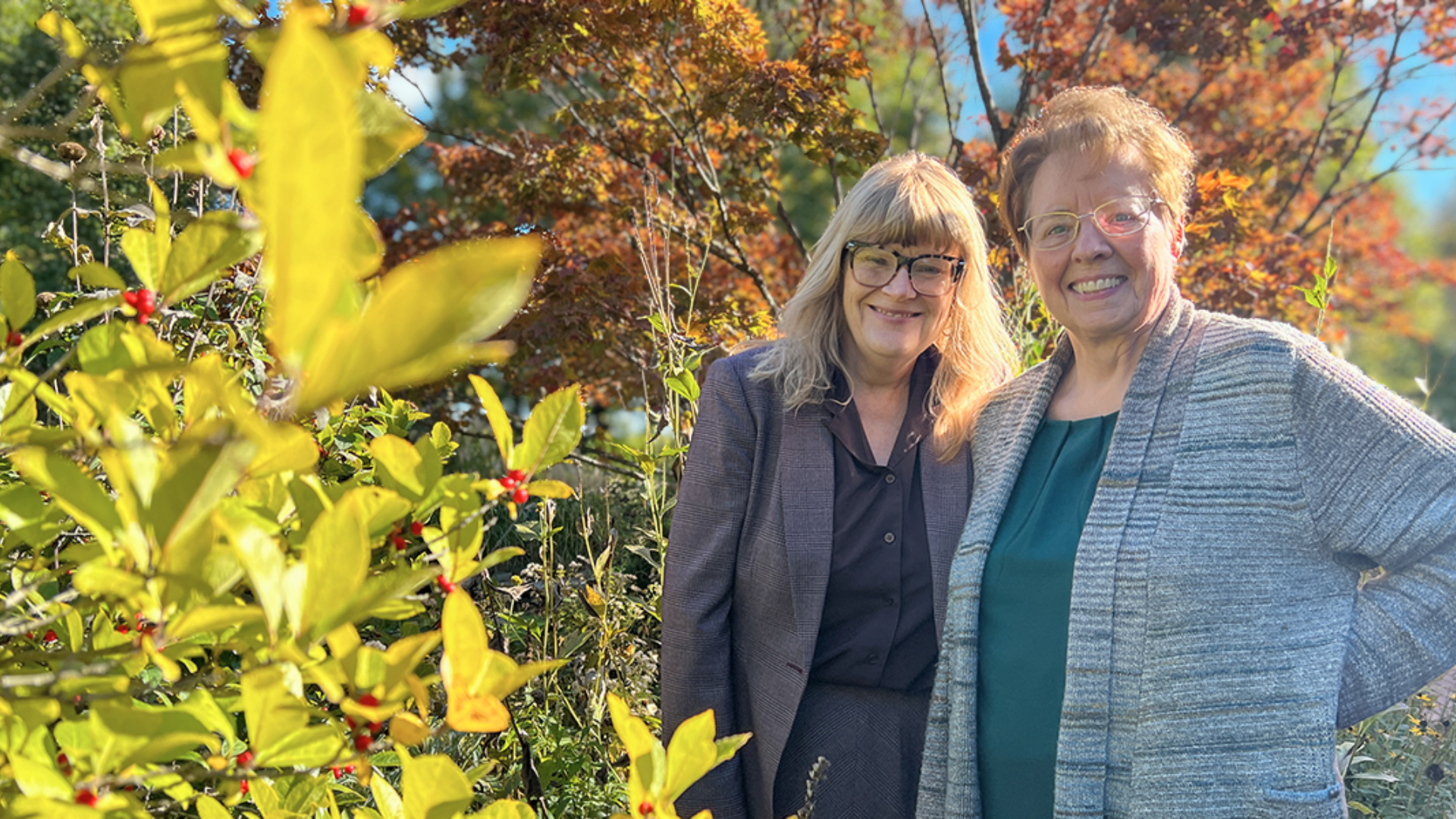
At the Michigan State University College of Nursing, researchers Rebecca Lehto and Gwen Wyatt are working to change that. Drawing on clinical experience and emerging evidence on holistic care, Lehto is developing interventions aimed not only at patients but also at the family members who care for them.
“Cancer caregivers are often a neglected population,” Lehto said. “They do all this uncompensated work in the home environment, and once the patient is deceased, facing that grief can be enormous.”
The initiative builds on the work of Wyatt, who saw firsthand the needs of patients and families while teaching on an oncology unit.
“When someone has a life-limiting condition, a lot of the barriers fall away,” Wyatt said. “Patients and families become very open about what might be supportive for them.”
That insight helped shape a research approach focused on complementary therapies designed to ease stress and promote emotional well-being for both patients and caregivers. Wyatt said it was a natural progression to begin integrating those therapies into supportive care models.
Many of the therapies center on stress reduction, which researchers say can also lessen strain on the immune system. The intervention combines meditative practices with time spent in natural environments — a pairing Lehto describes as a “bundled intervention.”
“There is a lot of research now evaluating meditative practices in natural environments to help restore attention and improve mood,” Lehto said. “We’re hoping to give caregivers exposure to both meditation and nature simultaneously.”
For study participant Chris Wyatt, who is also the son of Gwen Wyatt, the research reflects lived experience. Wyatt cared for his father during a nearly decade-long battle with cancer and said the emotional demands of caregiving often outweighed the physical ones.
“A lot of it was the emotional support, almost more than the physical,” he said. “Seeing how quickly things changed — that decline — it’s tough. There’s a helplessness that comes with it.”
Wyatt said practices like mindfulness and time outdoors can play a meaningful role in coping with grief.
“Nature helps ground you,” he said. “It gives you a framework for how to deal with grief and lets you be more introspective.”
Researchers hope the intervention will enhance caregivers’ ability to focus, process loss and build long-term resilience. Encouraging reflection and emotional awareness, Lehto said, can provide tools that extend well beyond the caregiving experience.
“We’re hoping it will help caregivers process their grief, improve their capacity to concentrate and build resilience,” she said.
Still, advancing this work is not without challenges. Securing funding for holistic and caregiver-focused research can be difficult, despite growing recognition of its importance. Support from the National Institutes of Health has been instrumental in moving the project forward.
Lehto said the stakes are high. As the population ages and more care shifts to home settings, the number of informal caregivers is expected to rise, making targeted support increasingly critical.
“I feel like what we’re doing has the potential to help humanity in a broad, holistic way,” she said. “Caregiving — and grief — are part of the human experience. Supporting people through that journey matters.”
Building a healthier generation in the U.S., one block at a time
Kaylee Smith-Sanders has seen remarkable progress in her four-year-old son’s eating habits, thanks to the Food, Body and Mind afterschool program at Midland Early Childhood Center. One evening at dinner, she watched in surprise as he eagerly reached for cauliflower and told his younger brother, “You need to eat your vegetables because they're good for you, and you can't grow and be strong like Spider-Man without them.”
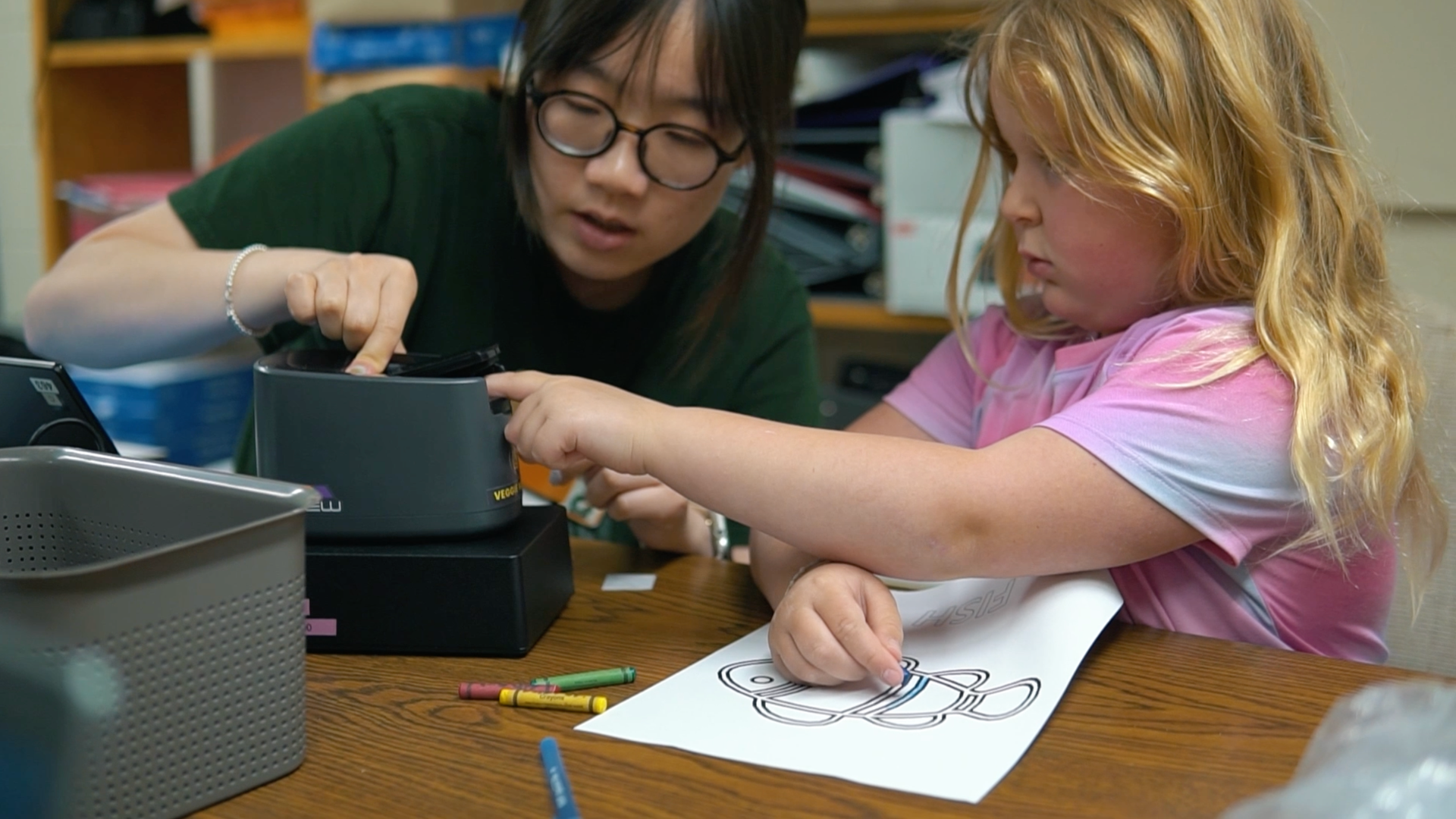
The Food, Body and Mind program, led by Professor Jiying Ling, blends nutrition, movement, and mindfulness to improve the overall well-being of children both in and out of the classroom. Supported by a $5.8 million grant from the National Institutes of Health, the program focuses on healthy eating habits, stress reduction through breathing exercises and yoga, and meaningful engagement with families. Through the five-year NIH grant, Dr. Ling is partnering with at least 50 Head Start locations across Michigan, stretching from Detroit to Petoskey and covering both urban and rural communities. These sites include programs in Northwest Michigan, Eastern Michigan, Jackson, Lansing, and Wayne County.
Since joining the program, Smith-Sanders said her son has become more mindful of what he chooses to eat.
“Being able to have the materials to show him visual aspects for these hard lessons has been really beneficial for him actually absorbing the information,” she said. “It's really important to understand what we're feeding our kids and how it affects the way their internal systems grow and develop. You don't build a house on sand, build a house on the foundation.”
The two-part curriculum introduces healthy eating through the ABCs — connecting children to new fruits and vegetables using their senses of touch, sight, smell, and taste. This is followed by engaging movement activities such as yoga, breathing techniques, and other mindfulness practices.
Ling says the feedback has been overwhelmingly positive.
“We have a rather large amount of heartwarming stories from both the teachers and parents,” she said. “Some children are requesting more vegetables during the school mealtime, and they even remind their families to eat healthy and mindfully at home. They remember to use the breathing technique to help them calm down or practice yoga with their families.”
Parents in the program participate in online surveys, while trained MSU data collectors visit classrooms and early childhood centers to gather in-person data such as height, weight, and blood pressure. Additional measurements include waist monitors for physical activity and even hair samples to monitor cortisol levels, a marker of stress.
Ling emphasized the importance of involving families — even with their busy schedules.
“Engaging with parents is very powerful because, you know, they have very busy schedules,” she explained.
The team used creative tools to stay connected, such as sending letters from the children, sharing testimonies, and sending updates through text messages.
“We want to teach them to be mindful eaters instead of being judgmental eaters,” she added.
Assistant Data Manager Ethan Yaroch, who helped collect data for the project, said the work being done through Food, Body and Mind is laying important groundwork for future generations.
“We can offer the correct recommendations for how to keep themselves healthy in the future and how they can raise their kids to be healthier,” Yaroch said.
Renee Clark, an educator at Midland Early Childhood Center, said she strongly believes in the mission of the program.
“I believe wholeheartedly in the program of helping, not only children, but families and educating children and families,” Clark said. “It isn't just all about ABCs and one, two, three. It's also about healthy living and being part of your family, part of your community.”
She added that the hands-on approach was key in engaging young children.
“When we can bring in tools that we were given, bringing in fruits and vegetables for them to touch, to feel, to smell — using all those senses — it really makes a connection. It's learning hands-on. The kids wear aprons and hats and they’re official taste testers,” she said. “So if we're here providing services and opportunities where children can learn about eating healthily, learning how to problem-solve, learning how to be empathetic to each other — it's a win-win. You can't go wrong.”
Looking ahead, Ling hopes to expand the program to reach even more children — from toddlers to older students — and apply it in settings like public schools, afterschool programs, and parent workshops.
For families like Smith-Sanders’, the impact of Food, Body and Mind is clear — and its continuation is vital.
“If programs like this got cut … that's a rabbit hole I try to stay out because it’s huge. It will greatly, greatly impact my children.”
Instilling healthy eating, fitness habits in adolescents
Pete Sykes has seen how his 11-year-old daughter’s confidence has grown during her participation in an after-school program at Haslett Middle School.
The program, Guys/Girls Opt for Activities in Life, or GOAL, is a 13-week initiative geared at helping adolescents to increase physical activity and healthy eating. Since she started the program, Sykes said his daughter is more adventurous in the kitchen.
“It is good because we don’t have a great culinary depth in our household,” he said. “She's also gained some confidence with the physical activity. I think a lot of times it can be intimidating to try new activities when some people feel like experts. And I think this opportunity to be around other people, who are still learning, has given her a lot more confidence to try things.”
GOAL is led by Lorraine Robbins, a professor in the MSU College of Nursing, who is in the final year of overseeing a $3.8 million grant from the National Institutes of Health/National Heart, Lung, and Blood Institute. The program brings instructors together with children, but parents also play an important role.
“What we found in the past is that after we conduct a program and the program ends, the adolescents stop their healthy behaviors because they don't have the social support that they may need,” Robbins said. “And, as young adolescents, they still rely on their parents for support for healthy eating and physical activity.”
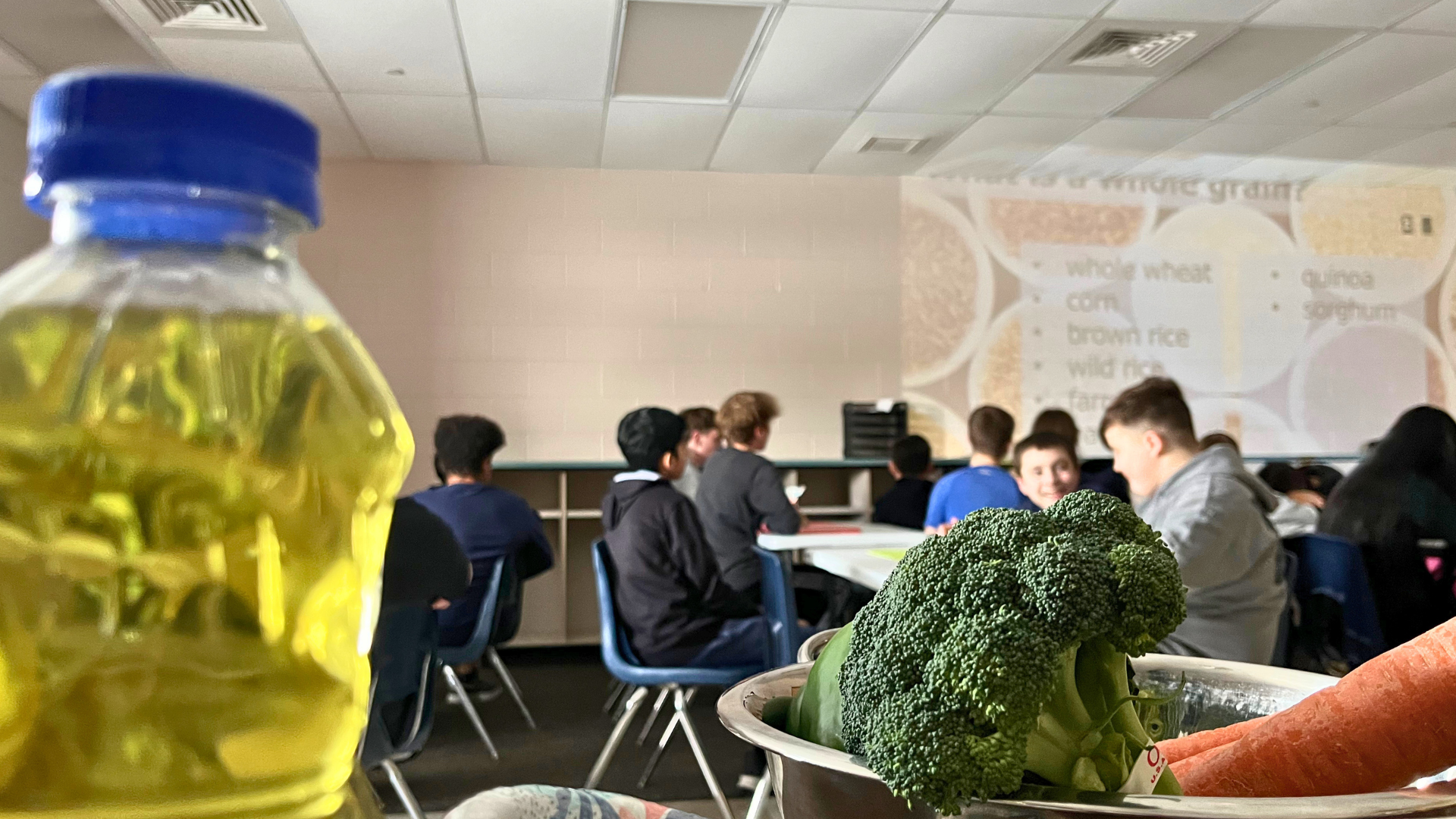
Parents involved in GOAL answer a few simple questions each week about how they supported their child’s or children’s healthy eating and physical activity during the prior week, establishing some accountability. Students, meanwhile, participate after school for almost two hours, two days a week. They learn about healthy eating and how to cook via mobile kitchens. They also engage in physical activity.
“We have them cutting up their vegetables, fruits, and any type of meat, like chicken, that might be used in the various recipes,” Robbins said. “So, it's a great experience for them to learn how to cook. And they also have opportunities to learn skills related to playing various sports, like basketball.”
More than 900 students from fifth through eighth grade have participated in the program, coming from 14 different Michigan schools, including those in the Jackson, Holt, Flint, Metro Detroit, and Grand Rapids areas. While researchers are measuring several metrics, such as body fat percent, cardiovascular fitness, and quality of life, they have not yet conducted a final data analysis to examine the findings because the data for this last year of the program are still being collected.
Regardless, the program is already making an impact. Sykes said programs like this are invaluable to communities and that recent news about cuts to research funding are disheartening.
“It would be sad to see programs like this go due to lack of funding, because everybody's got something to learn,” he said. “The kids get to experience things that will boost their confidence, like it did for my daughter. I’d be sad to see it go.”
Published April 1, 2025; updated April 10, 2026